
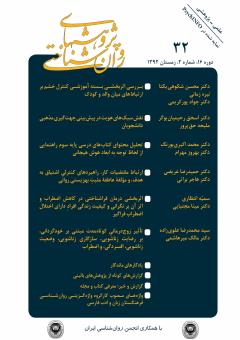
تأثیر زوجدرمانیِ کوتاهمدت مبتنی بر خودگردانی، بر رضایت زناشویی، سازگاری زناشویی، وضعیت زناشویی، افسردگی، و اضطراب
محورهای موضوعی : روان شناسی
1 - روانشناسی
کلید واژه: زوجدرمانی کوتاهمدت مبتنی بر خـودگردانـی, رضایت زنـاشویی, سـازگاری زناشویی ,
چکیده مقاله :
این مطالعه به بررسی تأثیر زوجدرمانیِ کوتاهمدت مبتنی بر خودگردانی، بر رضایت زناشویی، سازگاری زناشویی، وضعیت زناشویی، افسردگی، و اضطراب میپردازد. نمونه اين پژوهش از ۲٣ زوج تشکيل شد که با روش نمونهگيري قضاوتي انتخاب شدند و بهطور تصادفي به دو گروه ١۲ و ١١ زوجی تقسيم شدند. از ميان اين دو گروه يک گروه بهطور تصادفي به گروه آزمايش (دریافت درمان) و گروه ديگر به گروه کنترل (فهرست انتظار) تخصيص يافت. نتایج بهدست آمده نشان دادند که زوجدرمانیِ کوتاهمدت مبتنی بر خودگردانی، رضایت زناشویی و سازگاری زناشویی را افزایش میدهد، وضعیت زناشویی را بهبود میبخشد، و افسردگی را کاهش میدهد ولی تأثیر معناداری بر اضطراب ندارد.
This study surveyed the effectiveness of Brief Self-Regulation Couple Therapy (SRCT) on marital satisfaction and its impact on marital adjustment, marital status, depression, and anxiety. The participants who were selected through judjment sampling were randomly assigned to two groups: 22 participants (11 couples) to the experimental group (receiving treatment) and 24 participants (12 couples) to the control group (waiting list). The results indicated that Brief SRCT increased marital satisfaction and marital adjustment; improved marital statues, and decreased depression. However, no significant effet on anxiety was observed.
امیری، مهدی؛ محمدی، ابوالفضل؛ و فتی، لادن (١۳۸۷). زوج¬درمانی (مقالة مروری). تازه¬های روان¬درمانی، ٤٩ و ۵٠، 58-۴۳.
ایروانی، محمود (١٣٨٣). روان¬شناسی آزمایشی (تجربی). تهران: پیام¬آوران کلک¬آزاد.
تبريزي، مهدي (1386). هنجاريابي پرسشنامة رضايت ازدواج. دانش و پژوهش در روان¬شناسي؛ 34، 117-142.
ثنایی، باقر؛ علاقبند، ستیلا؛ و هومن، عباس (١۳۷٩). مقیاس¬های سنجش خانواده و ازدواج. تهران: بعثت.
جانباز فریدونی، کبری؛ تبریزی، مصطفی؛ و نوابـی¬نژاد، شـکوه (۱۳۸۸). اثربـخشـی زوج-درمانـی
کوتاه¬مدتِ خودنظم¬بخشی بر افزایش رضایت زناشویی مراجعانِ درمانگاه فرهنگیان شهرستان بابلسر. فصلنامة خانواده پژوهی، ۴، ۲۲۹-۲۱۳.
رزمجویی، رودابه (۱۳۸۹). بررسی میزان و نوع روابط پیش از ازدواج زوجین با رضایت زناشویی در سال¬های پس از ازدواج. چکیده مقالات چهارمین کنگره ملی آسیب¬شناسی خانواده. تهران: دانشگاه شهید بهشتی، پژوهشکده خانواده.
ساپینگتون، ا. ا. (1384). بهداشت روانی. (ترجمة حمیدرضا حسین¬شاهی¬ برواتی). تهران: روان. (تاریخ انتشار به زبان اصلی۱۹۸۷).
سلیمانی، مهدی (١٣٨۵). تأثیر روان¬درماني بين¬فرديِ گروهيِ کوتاه¬مدت در کاهش علائم افسردگي دانشجويان و اثر اين درمان بر سبک اسنادي و نگرش¬هاي ناکارآمد. پایان¬نامه برای دریافت درجة کارشناسی ارشد روان¬شناسی بالینی، دانشگاه علوم بهزيستي و توانبخشي.
علوی¬زاده، سیدمحمدرضا (۱۳۸۹). زوج¬درمانیِ مبتنی بر خودگردانیِ کوتاه¬مدت: یاری به زوجین برای کمک به خودشان. اندیشه و رفتار، 4، 16؛ 27-36.
عیسی¬زادگان، علی (۱۳۸۸). مقایسة پردازش معنایی مفاهیم هیجانی در بین افراد افسردة غیربالینی و افراد با صفات شخصیتی برون¬گرایی. مطالعات روان¬شناختی، ۵، ۳۴-۹.
کاویانی، حسین؛ موسوی، اشرف سادات؛ محیط، احمد (۱۳۸۰). مصاحبه و آزمون¬های روانی. تهران: سنا.
کاویانی، حسین؛ موسوی، اشرف¬سادات (۱۳۸۷). هنجاریابی آزمون اضطراب بک بر روی جمعیت ایرانی. مجله¬ی دانشکده¬ی علوم پزشکی تهران، ۶۶، ۱۴۰-۱۳۶.
گلدنبرگ، ا.، و گلدنبرگ، ه. (١٣٨۵). خانواده¬درمانی. (ترجمه¬ حمیدرضا حسین¬شاهی برواتی، سیامک نقشبندی، و الهام ارجمند). تهران: روان. (تاریخ انتشار به زبان اصلی ۲۰۰۰).
هالفورد، ک. دبلیو. (١۳۸۷). زوج¬درمانی کوتاه مدت: یاری¬بخشی زوجین برای کمک به خودشان (ترجمه¬ مصطفی تبریزی، مژده کاردانی، و فروغ جعفری). تهران: فراروان. (تاریخ انتشار به زبان اصلی ۲۰۰۱).
Bacoum, B. (2005). Couples Therapy, In A. Freeman, Encyclopedia of cognitive behavior therapy (Eds.) 139-143: New York: Springer.
Beach, S. R. H., Dreifuss, J. A. Franklin, K. J., Kamen, C., & Gabriel, B. (2008). Couple therapy and the treatment of depression, In A. S. Gurman, Clinical handbook of couple therapy, (Eds. 545-566). New York: Guilford.
Beach, S. R. H., Fincham, R. D., & Katz, J. (1998). Marital therapy in the treatment of depression: Toward a third generation of therapy and
research. Clinical Psychology Review, 18, 635-661.
Beach, S. R. H., & Gupta, G. (2006). Directive and nondirective spousal support: Differential effects? Journal of Marital and Family Therapy, 32, 465-477.
Beach, S. R. H., Sandeen, E. E., & O’Leary, K. D. (1990). Depression in marriage: A model for etiology and treatment. New York: Guilford
Press.
Beck, A. T., Steer, R., A., & Brown, G. K. (1996) Manual for the Beck Depression Inventory-II. SanAntonio, Texas: Psychological Corporation.
Bray, J. H. (2002). Methodological issues and innovations in family psychology intervention research. In H. A. Liddle, D. A. Santisteban, R.R Levant, & J. H. Bray, Family psychology: Science-based interventions (Eds. 89-101). Washington, DC: American Psychological Association.
Campbell. D. T., & Stanley, J. C. (1966). Experimental and quasi experimental designs for research. Boston: Houghton Mifflin Company.
Charker, J. H. (2003). Self-regulation and wisdom in marital satisfaction. Submitted in fulfillment of the requirements of the degree of doctor of philosophy, School of Applied Psychology, Griffith University, Brisbane. In: http://www.google.com.
Christensen, A., Wheeler, J. G., & Jacobson, N. S. (2008). Couple distress, In D. H. Barlow, Clinical handbook of psychological disorders: A step-by-step treatment manual. (Eds. 662-689). New York: Guilford.
Dattilio, F. M. (2010). Cognitive-behavioral therapy with couples and families: A comprehensive guide for clinicians. New York: Guilford Press.
Edwards, J. N., Johnson, D. R., & Booth, A. (1987). Coming apart: A prognostic instrument of marital breakup. Family Relations, 36, 168-170.
Ellis. A., & Dryden, W. (1997). The practice of rational emotive behavior therapy. New York: Springer.
Fielder, K. V., & Robinson Kurpius, S. E. (2005). Marriage, stress, and
menopause: Midlife challenges and joys. Psicologia, 19, 87-106.
Graham, J. M., LIU, Y. J., & Jeziorski, J. L. (2006). The Dyadic Adjustment
Scale: A Reliability Generalization Meta-Analysis. Journal of Marriage and Family, 68, 701-717.
Gurman, A. S. (2005). Brief integrative marital therapy: An interpersonal-intrapsychic approach, In J. L. Lebow, (Eds. 353-383), Handbook of Clinical Family Therapy: New Jersey: John Wiley & Sons.
Johnson, D. R., White, L. K., Edwards J. N., & Booth, A. (1986). Dimensions of Marital Quality: Toward Methodological and Conceptual Refinement. Journal of Family Issues, 7, 31-49.
Halford, W. K. (2004). The future of couple relationship education: Some suggestions on how it can make a difference. Family Relations, 53, 559-566.
Halford, W. K., Bouma, R., Kelly, A., & Young, R. M. (1999). The interaction of individual psychopathology and marital problems: Current findings and clinical implications. Behavior Modification, 23, 179-216.
Halford, W. K., Keefer, E. & Osgarby, S. M. (2002). “How has the week been for you two?” Relationship satisfaction and hindsight memory biases in couples’ reports of relationship events. Cognitive Therapy and Research, 26, 6, 759-773.
Halford, W. K., Markman, H. J., Stanley, S., & Kline, G. (2003). Best practice in relationship to education. Journal of Marital and Family Therapy, 29, 3; 385-406.
Halford, W. K., Moore, E. M., Wilson, K. L., Dyer, C., & Farrugia, C. (2004). Benefits of a flexible delivery relationship education: An evaluation of the Couple CARE program. Family Relations, 53, 469-476.
Halford, W. K., & Osgarby, S. B., Kelly, A. (1996). Brief behavioral couple therapy: A preliminary evaluation. Behavioral and Cognitive Psychotherapy. Modification, 24, 263-273.
Halford, W. K., Sanders, M. R., & Behrens, B. C. (2001). Can skills training prevent relationship problems in at-risk couples? Four-year effects of a behavioral relationship education program. Journal of Family
Psychology, 15, 750-768.
Kendall, P. C., Flannery-Schroeder, E. C., & Ford, J. D. (1999). Therapy
outcome research methods, In P. C. Kendall, J. N. Butcher & G. N. Holmbeck, Handbook of research methods in clinical psychology (Eds. 330-363). New York: John Wiley & Sons.
Marczyk, G., DeMatteo, D., & Festinger, D. (2005). Essentials of research design and methodology. New Jersey: John Wiley & Sons.
Myers, J. L. & Well, A. D. (2003). Research design and statistical analysis. New Jersey: Lawrence Erlbaum Associates, Inc.
Papp, P. (2003). Gender, marriage, and depression, In L. B. Silverstein, & T. J. Goodrich, Feminist family therapy: Improvement social context. (Eds. 211-224).
Prince, S. E., & Jacobson, N. S. (1995). A review and evaluation of marital and family therapies for affective disorders. Journal of Marital and Family Therapy, 21, 377-401.
Sadock, B. J., & Sadock, V. A. (2007). Kaplan & Sadock’s synopsis of psychiatry: behavioral sciences/clinical psychiatry. (10th Ed).
Philadelphia: Lippincott Williams & Wilkins.
Sexton, T. L., Robbins, M. S., Hollimon, A. S., Mease, A. L., & Mayorga, C. C. (2003). Efficacy, effectiveness, and change mechanisms in couple and family therapy, In T. L. Sexton, G. R. Weeks,& M. S. Robbins, Handbook of family therapy : The science and practice of working with families and couples, (Eds. 264-302): New York: Brunner-Routledge.
Spanier, G. B. (1976). Measuring dyadic adjustment: New scales for assessing the quality of marriage and similar dyads. Journal of Marriage and Family, 38, 15-28.
Steele, R. G., Nelson Mize, J. A., & Nelson, T. D. (2008). Methodological issues in the evaluation of therapies, in R. G. Steele, T. D. Elkin, & M. C. Roberts, Handbook of evidence-based therapies for children and adolescents: Bridging science and practice. (Eds. 25-44). New York: Springer.
Snyder, D. K; & Mitchell, A. E. (2008). Affective–Reconstructive Couple Therapy: A Pluralistic, Developmental Approach, In A. S. Gurman, Clinical handbook of couple therapy (Eds. 353-382), New York: Guilford Press.
Wilson, K. L., & Halford, W. K. (2008). Processes of change in Self-directed
couple relationship education. Family Relations, 57, 625-635.